There is a moment in life when you realize mindset is not just a nice quote or Pinterest affirmation. It is the filter through which you experience everything.
When that filter shifts, your behavior shifts. Your results shift. Your sense of possibility expands. And sometimes, the fastest way to rewrite that filter is through a book that challenges how you talk to yourself.
Positive mental attitude books get reduced to a cliché, but the truly good ones do something deeper. They widen the room inside your mind.
They make you curious rather than fearful. They help you replace old patterns with new ways of approaching work, relationships, goals, and setbacks.
Below are 11 books that have legitimately helped millions of people rewire their mindset in a grounded, practical way.
You’ll notice they combine psychology, personal development, neuroscience, and everyday wisdom. That is often where the biggest breakthroughs happen.
1. Think and Grow Rich by Napoleon Hill

Although it is nearly a century old, Think and Grow Rich remains one of the earliest mainstream books linking mindset to outcomes.
Hill studied hundreds of successful entrepreneurs and distilled common traits. The biggest takeaway is that belief, self direction, and persistence often matter more than external resources.
The phrasing feels dated at times, but the mental models are timeless. Hill treats the mind like a creative engine rather than a passive observer. That perspective alone nudges you toward action instead of waiting for conditions to be perfect.
Think and Grow Rich ranks as a cornerstone for anyone starting their positive mindset journey, especially if they want to change habits around money and achievement.
2. The Power of Positive Thinking by Norman Vincent Peale

Peale argued something bold for his time: optimism is not naive. It is strategic. It helps you see opportunities others miss, handle rejection without collapsing, and train your attention toward solutions instead of problems.
The most impactful chapters explore the power of visualization and self talk. Even though modern psychology has given us updated terminology, the core idea remains validated. What you rehearse mentally becomes easier to execute physically.
This book is especially useful for people who struggle with self doubt or tend to catastrophize outcomes. It gives you tools without being sentimental about it.
3. The Magic of Thinking Big by David J Schwartz
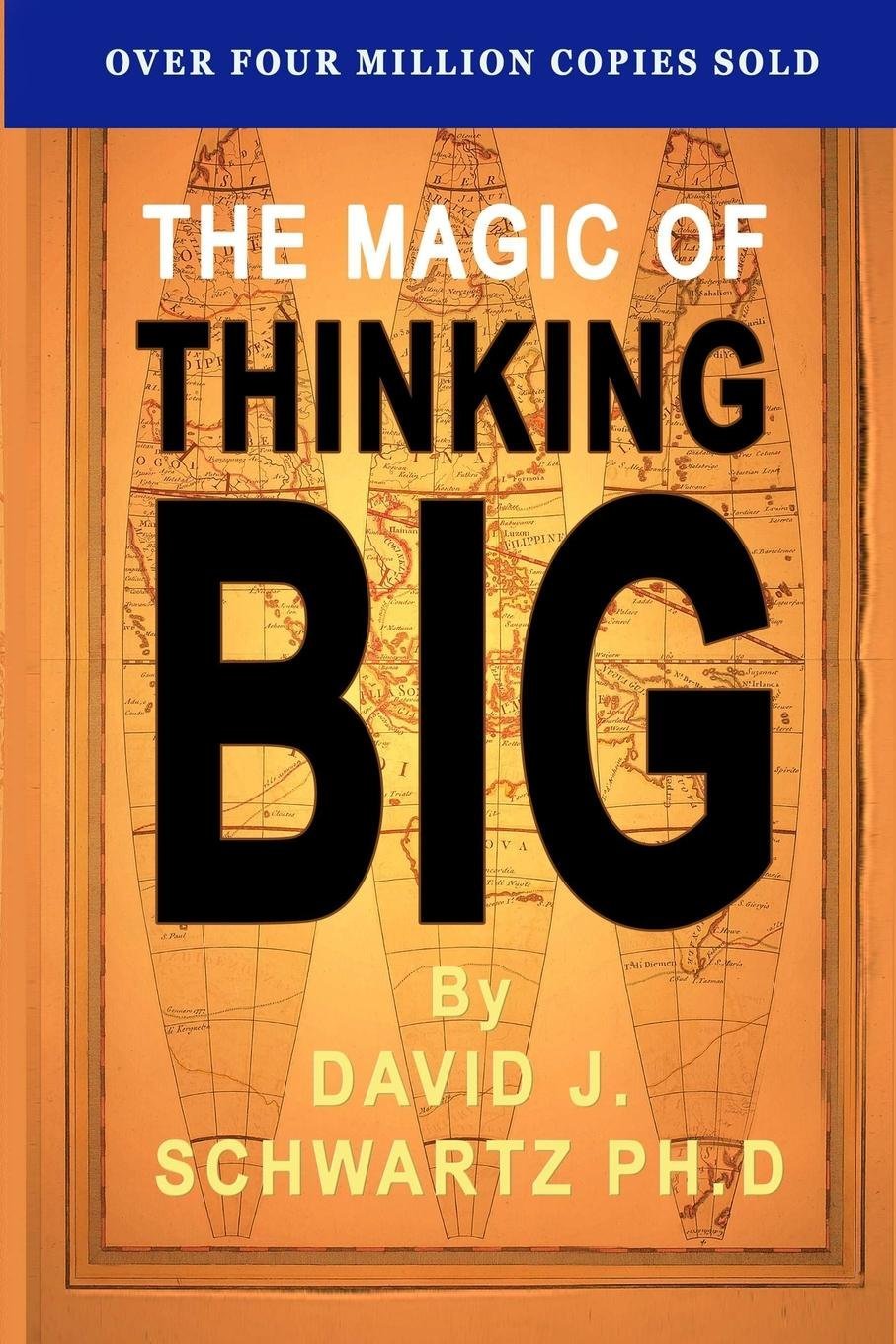
If your default mindset shrinks your goals, this book is essentially the antidote. Schwartz pushes the reader to question the assumptions that make goals small. He makes a compelling argument that success often becomes limited not by talent but by imagination and courage.
The Magic of Thinking Big also pairs almost perfectly with entrepreneurial or creative work, where fear and overthinking kill more ideas than failure ever will. The writing is clear and direct and the stories are memorable, which makes the concepts stick long after reading.
4. As a Man Thinketh by James Allen

This is one of those tiny books you can finish in a single sitting and then think about for weeks. Allen explores the idea that mindset is not just a reaction to life, but a causal force. Your dominant thoughts shape your character and your character shapes your outcomes.
If you are already into manifestation, law of attraction, or affirmation based reprogramming, Allen feels like the philosophical ancestor to those movements. Even if you are skeptical, the book encourages self reflection in a gentle but direct way.
5. Mindset by Carol Dweck

Dweck’s research introduced the world to the concept of fixed mindset versus growth mindset and it became one of the most influential psychological ideas of the early 2000s.
The premise is simple but transformative. When you believe intelligence or talent is fixed, you avoid challenges. When you believe it can grow, you seek them out.
Growth mindset explains why two people can have the same setback but interpret it differently. One sees personal failure and quits.
The other sees information and adjusts. This book is powerful for students, parents, entrepreneurs, athletes, and anyone trying to improve performance.
6. The Happiness Advantage by Shawn Achor

Positive psychology brought academic research into territory previously occupied by motivational speakers. The Happiness Advantage breaks down how optimism improves productivity, problem solving, resilience, and relationships.
Achor argues that happiness is not a reward you get after success. It is the fuel that makes success more likely. He supports this with data, but the tone remains light enough that you never feel like you’re reading a research paper.
If you tend to intellectualize everything, this book satisfies the analytical mind while still inviting emotional shifts.
7. Atomic Habits by James Clear

On the surface, Atomic Habits is a book about behavior change. Underneath it is a handbook for reshaping identity and attitude.
Clear shows how identity shifts come from consistent actions rather than extreme motivation. He also explains why habits are easier to create when you stop relying on willpower and design systems instead.
This book pairs beautifully with positive mindset work because it tackles the execution side. A positive mental attitude without habits becomes wishful thinking.
Habits without a positive mental attitude become mechanical and joyless. Together they create sustainable change.
8. You Can Heal Your Life by Louise Hay

Louise Hay takes a more spiritual angle and many people credit this book for introducing them to affirmation based healing. Hay connects the mind body relationship and suggests that unhealed emotions can influence physical symptoms and self sabotage.
Even if you do not fully subscribe to metaphysical interpretations, the chapters on self worth and internal dialogue are gold.
Hay reminds you how cruel and judgmental people can become toward themselves in silence and how powerful it is to rewrite that inner script.
For people into law of attraction, energy work, or holistic healing, this book often feels like home.
9. The Four Agreements by Don Miguel Ruiz

One of the quickest ways to poison your mindset is by absorbing other people’s expectations, judgments, and stories about who you are.
The Four Agreements acts like a detox for that. Ruiz distills wisdom into four simple rules: be impeccable with your word, take nothing personally, make no assumptions, and always do your best.
The real power of this book is how practical it becomes the moment you apply it in relationships. A positive mental attitude becomes easier when you stop carrying invisible emotional battles that belong to other people.
10. The Power of Now by Eckhart Tolle

Tolle does not frame his ideas as positive thinking, yet presence is one of the fastest ways to improve mental attitude. Most anxiety lives in the future and most guilt lives in the past.
The Power of Now interrupts that pattern by returning you to the present moment where life is actually happening.
If your negative attitudes come from overthinking, social comparison, or fear of the unknown, this book helps you feel grounded again. It is philosophical, but also surprisingly actionable if you read slowly and reflect along the way.
11. Grit by Angela Duckworth

Duckworth’s research breaks the myth that success is only about talent. She shows that passion plus perseverance often beats raw ability. Grit gives people permission to evolve over time instead of feeling pressured to be extraordinary immediately.
This is a powerful mindset shift for anyone who considers quitting when things get difficult. Positive attitude is not about being cheerful. It is about staying in the game long enough for your skills to mature.
Why Positive Mental Attitude Books Matter More Than Ever Today
Modern life is full of cognitive load. Notifications, comparison culture, productivity pressure, and constant uncertainty can leave even high performers feeling mentally fragmented.
Positive mental attitude books are not just motivational. They are tools for emotional self regulation, reframing, and resilience.
While therapy and coaching solve one part of the challenge, books provide continued exposure to better thinking. They keep you in the environment of possibility.
They also remind you of something crucial. You are not stuck with the mindset you currently have. You can update it, refine it, and choose one that aligns with the future you rather than the past you.
How to Use Positive Mental Attitude Books for Real Change
Reading is only step one. The people who get the most out of these books often do three things:
- Pause and reflect after important chapters: Insight grows in the pause, not just in the reading.
- Integrate one concept at a time: Habits compound when they are layered rather than rushed.
- Revisit books during transitions: Books often reveal deeper meaning when you reread them with a new level of experience.
Some people journal or highlight. Others discuss ideas with friends. The format does not matter. The repetition does.
Final Thoughts
Positive mental attitude is not about pretending life is perfect. It is about cultivating the internal strength to meet life as it is, without collapsing into fear or self defeat.
Books remain one of the most accessible ways to shift that mindset, especially when guidance or mentorship is limited.
If you choose one or two books from this list and give them your full attention, you might be surprised how quickly your inner dialogue softens and your sense of possibility expands.