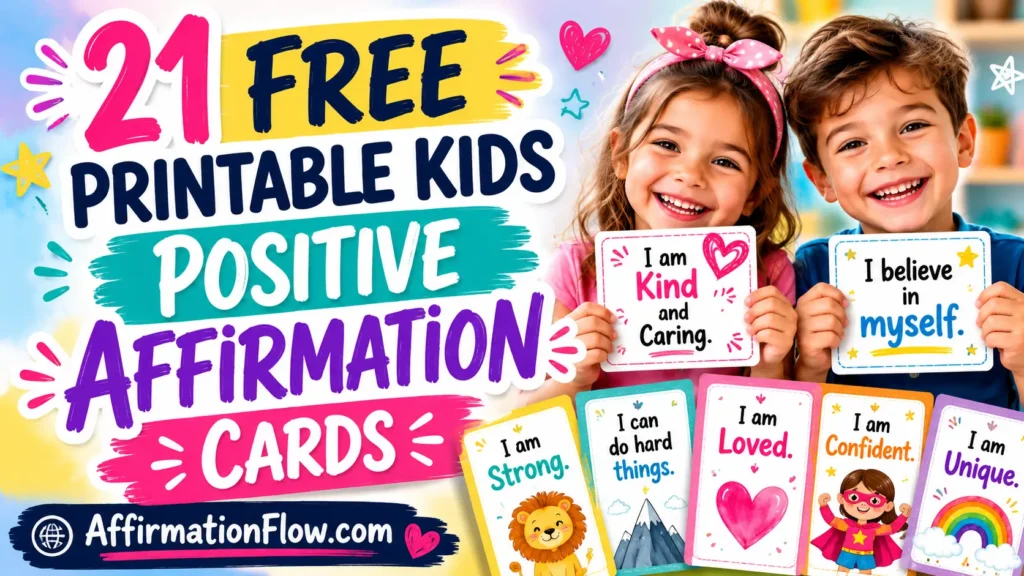
There is something quietly powerful about the words a child hears every single day. When those words are warm, encouraging, and full of belief, they plant seeds that grow into genuine confidence and resilience.
That is exactly why so many parents and teachers are turning to free printable kids positive affirmation cards as a simple yet meaningful daily practice.
Whether tucked into a lunchbox, taped to a bathroom mirror, or read aloud at the breakfast table, these little cards carry a big message: you are enough, you are loved, and you can do hard things.
Why Positive Affirmations Matter More Than You Think
Children are like sponges. They absorb everything around them, especially the messages they receive about who they are and what they are capable of. Research in child psychology consistently shows that positive self-talk shapes how kids handle challenges, form friendships, and even perform in school.
But here is the honest truth: most kids are not naturally wired to think positively about themselves. They compare, they doubt, and they worry. Affirmation cards gently interrupt that inner critic and replace it with a kinder, more encouraging voice. Over time, those repeated messages become the voice inside their head.
Think of affirmation cards not as magic words, but as gentle daily reminders that a child is seen, valued, and capable.
How to Use Affirmation Cards with Your Kids
You do not need a structured routine or a Pinterest-perfect setup to make affirmation cards work. The beauty is in their simplicity. Here are a few natural, easy ways to bring them into your child’s day.
Morning mirror time. Stick one card on the bathroom mirror so your child reads it while brushing their teeth. It sets a positive tone before the day even begins.
Lunchbox notes. Slide a card into their lunchbox as a midday surprise. When they open it at school, they get a little boost from home.
Bedtime ritual. Read one card together before lights out. Ask your child what the affirmation means to them. The conversation that follows can be surprisingly sweet and revealing.
Classroom circle time. Teachers can use these cards as a morning circle activity, letting each child pick a card and share it with the group.
The key is consistency. Affirmations work not because of a single powerful moment but because of gentle, repeated exposure.
Free Printable Kids Positive Affirmation Cards









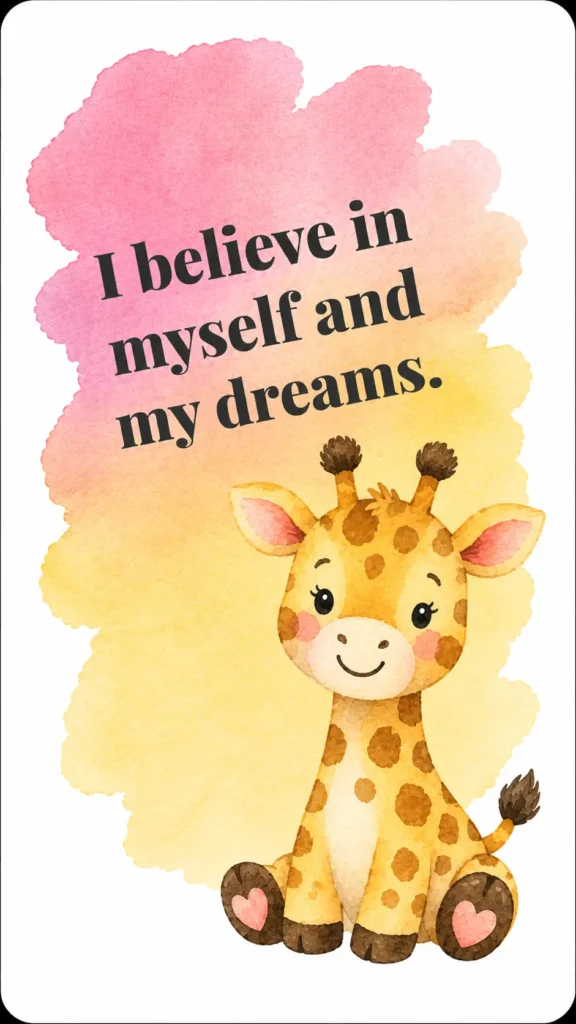
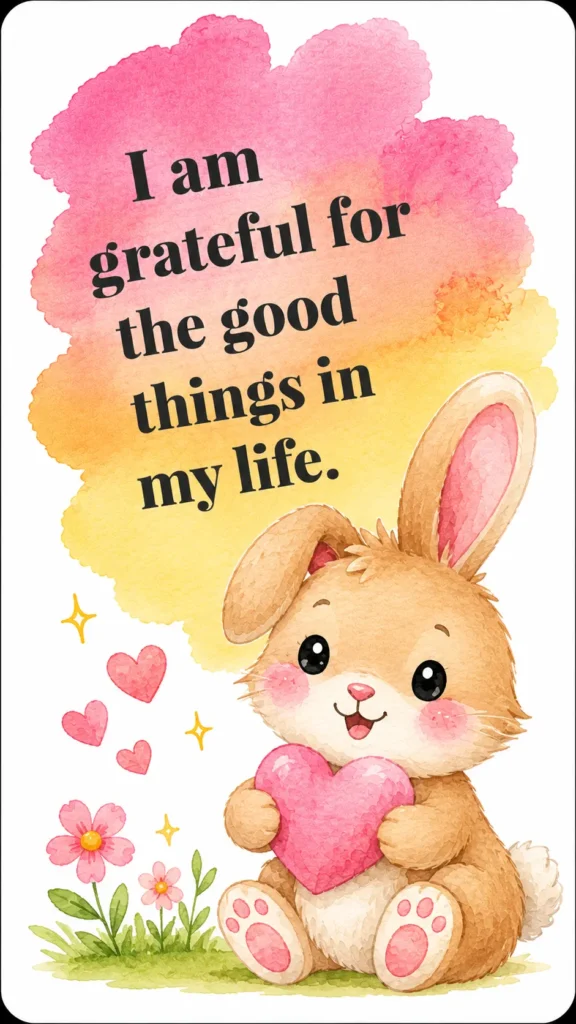
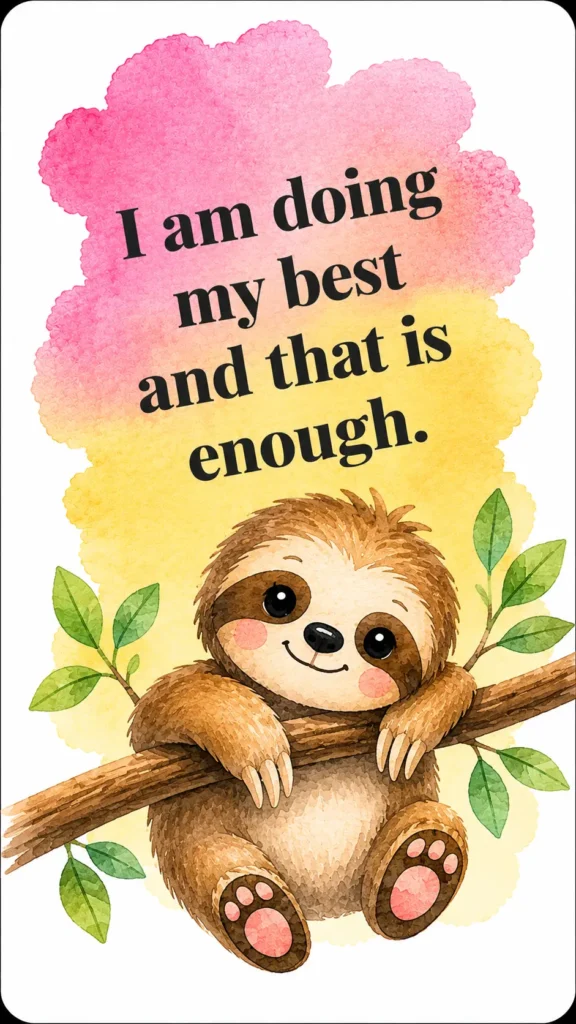
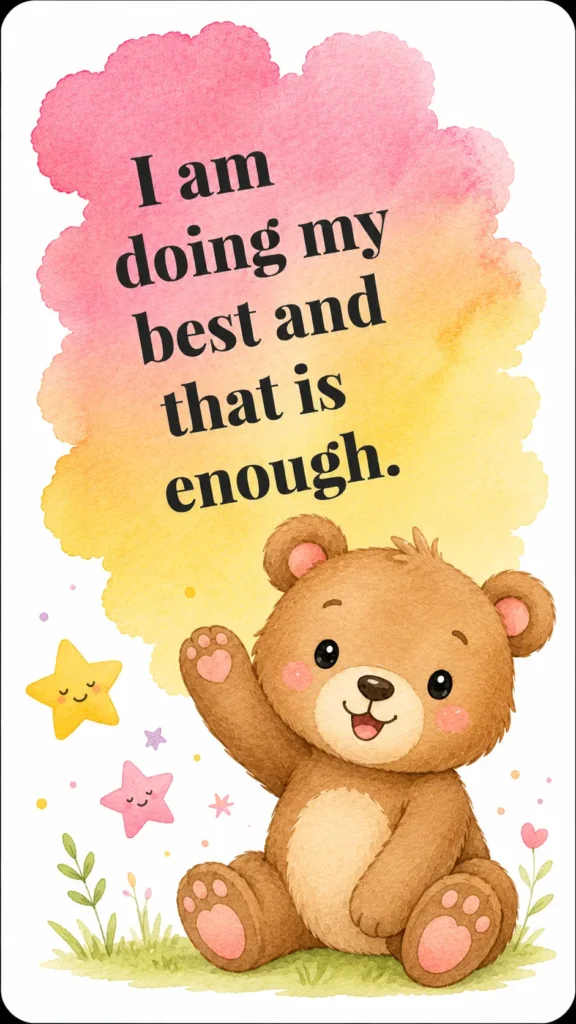
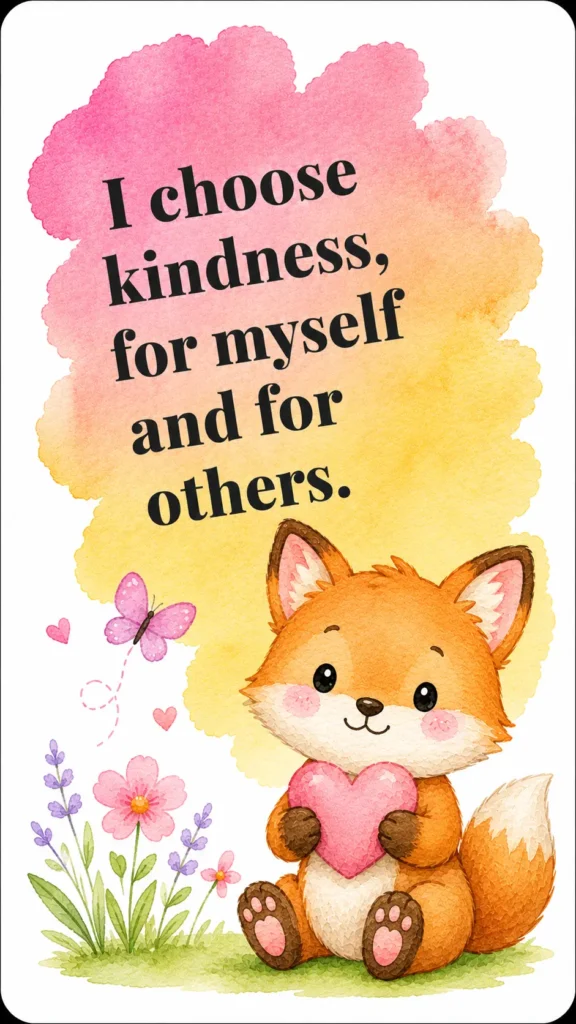
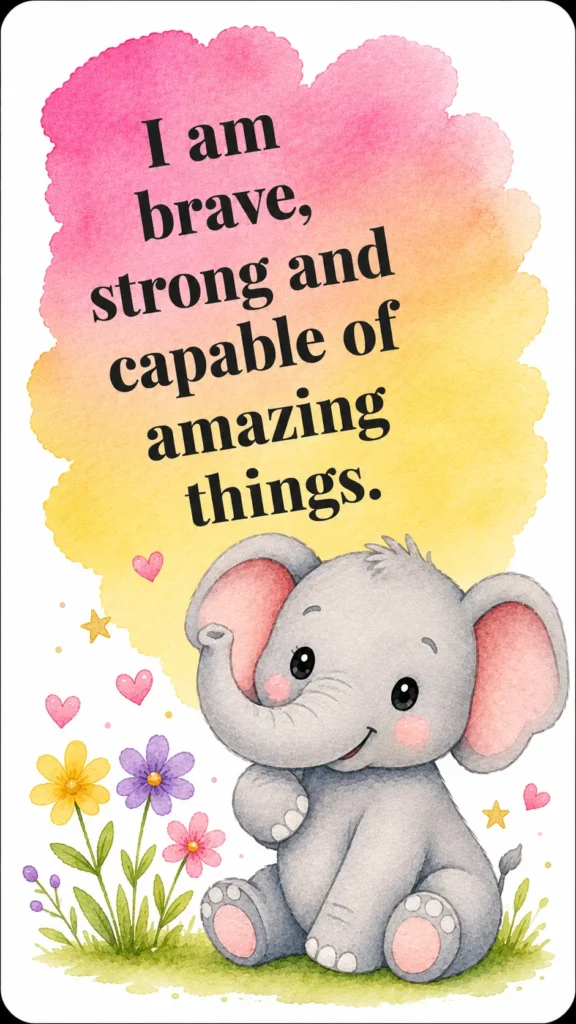
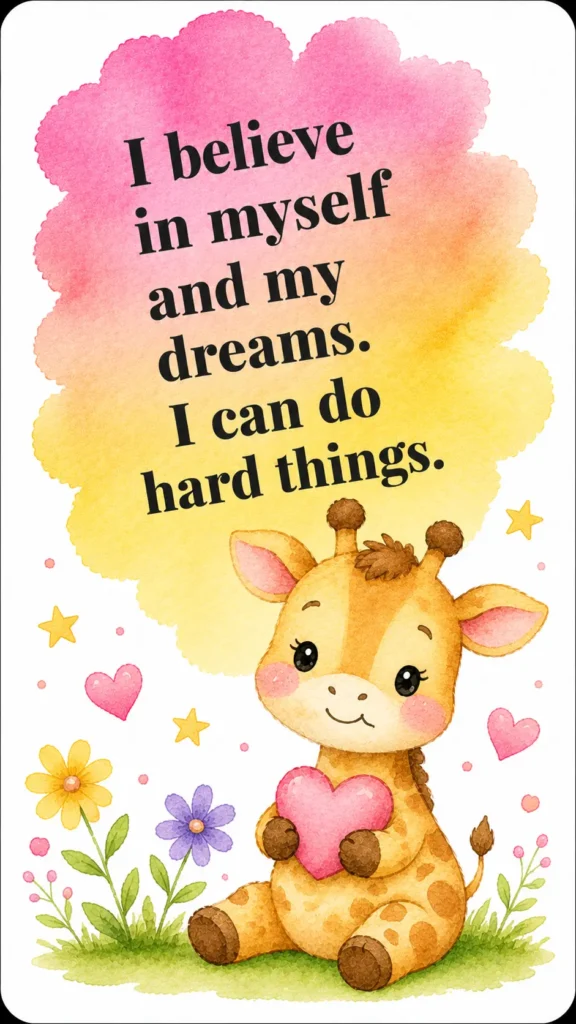

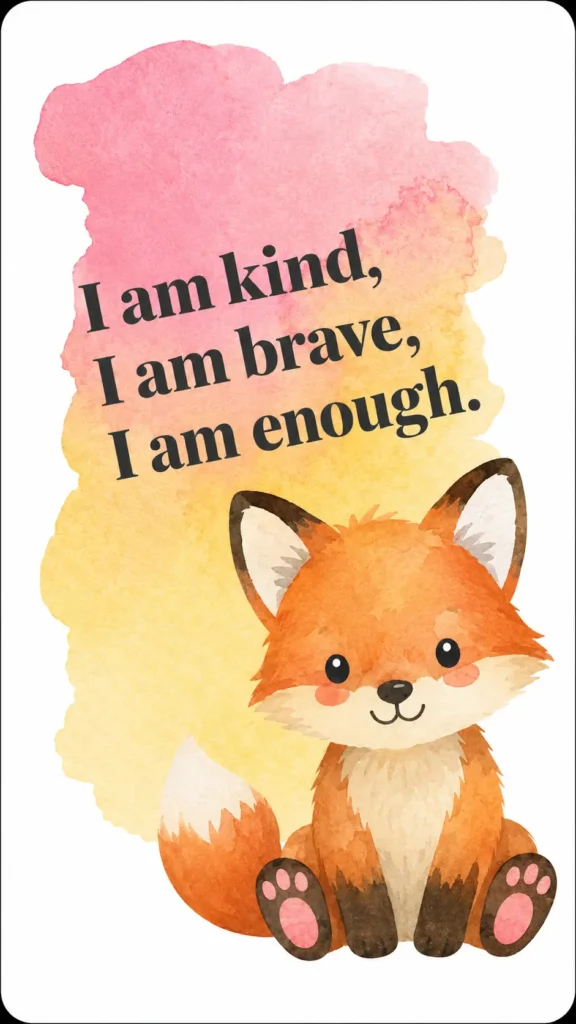
What the Cards Include and How They Are Organized
These free printable cards are designed with children in mind. The language is simple, age-appropriate, and free from jargon. Each affirmation ends with a period to give it weight and finality, as a quiet reminder that the statement is true, full stop.
Here is a look at the affirmations included:
For Building Confidence:
- I am brave enough to try new things.
- I believe in myself every single day.
- My voice matters and people love to hear it.
- I am proud of who I am becoming.
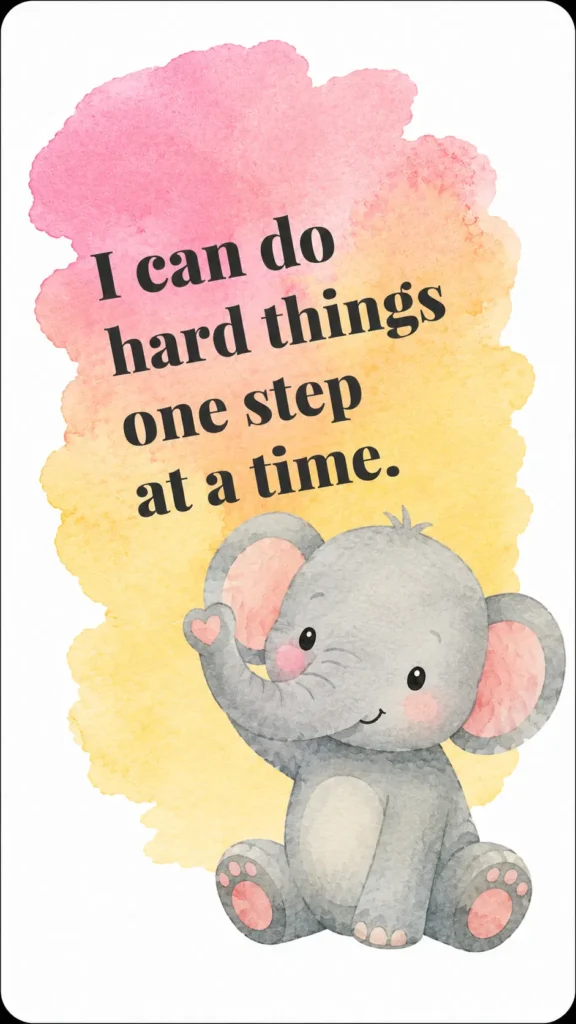
- I can do hard things when I try.
For Kindness and Empathy:
- I am kind to others and to myself.
- My words have the power to make someone smile.
- I choose to be a good friend.
- I spread kindness wherever I go.
- The world is better because I am in it.
For Handling Emotions:
- It is okay to feel my feelings and let them pass.
- I am calm, even when things feel hard.
- I ask for help when I need it and that is brave.
- My mistakes help me grow stronger.
- I breathe deeply and choose peace.
For a Growth Mindset:
- Every day I am learning something new.
- I do not have to be perfect to be amazing.
- Trying again is a sign of strength.
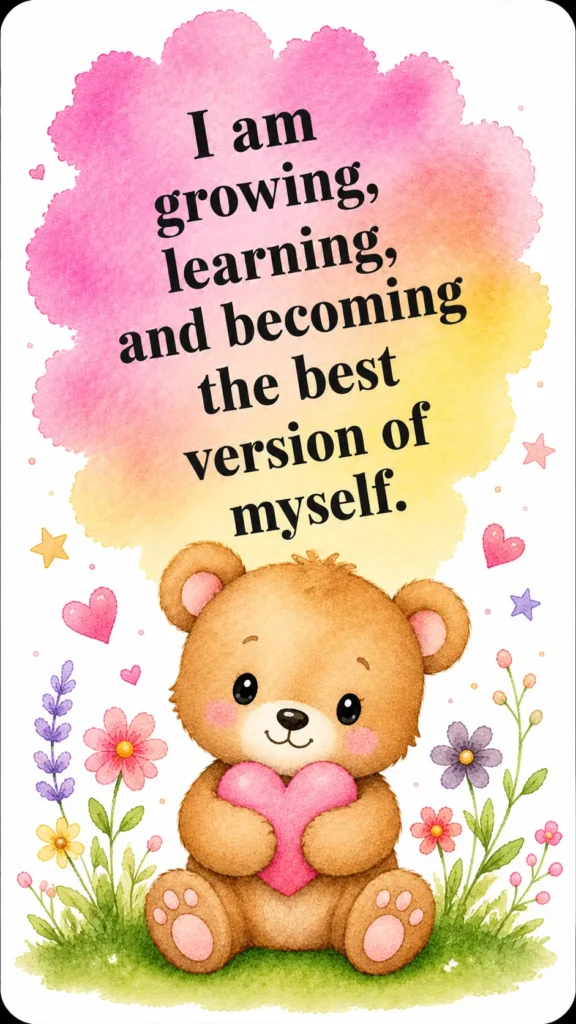
- I grow a little more each day.
- My brain gets stronger every time I practice.
For Self-Love and Identity:
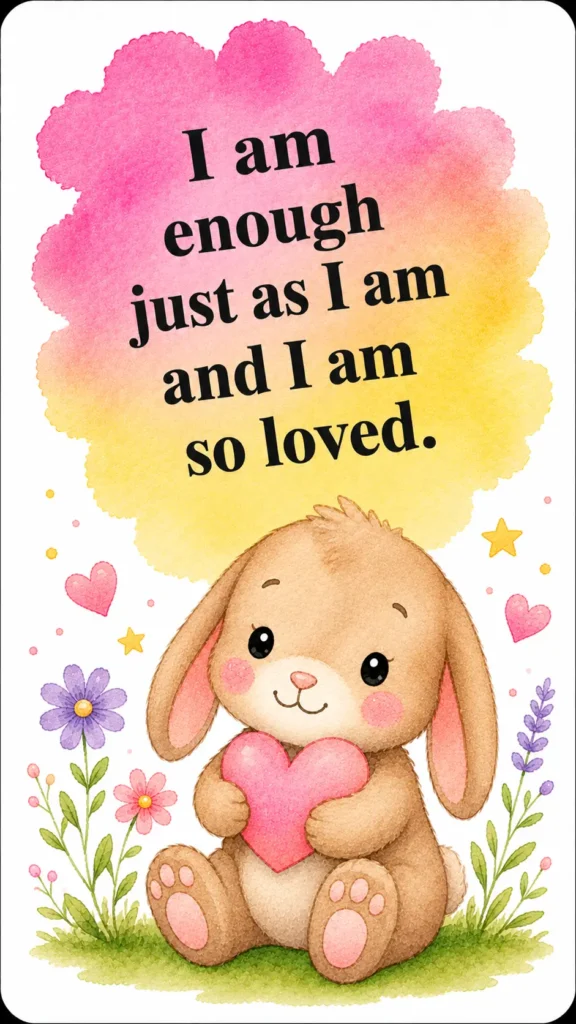
- I am enough exactly as I am.
- I love my unique and wonderful self.
- There is nobody else in the world quite like me.
- I deserve love, happiness, and good things.
- I am a gift to everyone around me.
Tips for Making Affirmations Stick for Little Ones
Getting a child to genuinely connect with an affirmation takes a bit of patience and creativity. Here are a few approaches that actually work in real homes and classrooms.
Say it, do not just read it. Encourage your child to say the affirmation out loud rather than just scanning it with their eyes. Speaking the words creates a stronger emotional imprint.
Add a movement. For younger children especially, pairing an affirmation with a gesture, like placing a hand on their heart or making a superhero pose, helps it land in a more physical, memorable way.
Do not force it. If your child rolls their eyes at a particular card, swap it out. Affirmations only work when there is at least a tiny willingness to receive them. Let your child choose the ones that feel right.
Model it yourself. When children hear a parent say “I am proud of how hard I worked today,” they understand that positive self-talk is something grown-ups do too, not just a thing for kids.
Printing and Preparing Your Affirmation Cards
One of the best things about these cards is how easy they are to prepare. You do not need a laminator or fancy supplies to get started, though both certainly help if you want them to last longer.
What you will need:
- A home printer or access to a print shop
- Cardstock paper for durability (regular paper works too)
- Scissors or a paper trimmer
- Optional: a laminator or clear contact paper for longevity
Print the cards at home, cut them out, and they are ready to use. If you want a more polished finish, laminating them means they can be wiped clean, passed between children, and used for years without falling apart.
For classroom use, printing one full set per child at the start of the school year is a lovely back-to-school gift that parents genuinely appreciate.
A Few Words on Raising Children Who Believe in Themselves
There is no shortcut to raising a confident child. It is built slowly, through small repeated moments of being told you are capable, seen, and worthy of love. Positive affirmation cards are one of those small moments, offered daily.
They will not fix every hard day. They will not replace the deep work of parenting or teaching. But they are a consistent, gentle presence that reminds a child, even on the days when nothing seems to go right, that they are enough.
Print these out, stick them somewhere visible, and let the words do their quiet, steady work.
Frequently Asked Questions
At what age can children start using affirmation cards?
Children as young as three or four can begin using simple affirmation cards, especially when a parent or caregiver reads them aloud together. The cards in this set are written to be understood by children ages three through twelve, making them suitable for a wide range of developmental stages.
How often should my child use affirmation cards?
Daily use tends to produce the most noticeable results. Even a single card read aloud in the morning or at bedtime is enough to build the habit over time. Consistency matters far more than quantity.
Can teachers use these cards in a classroom setting?
Absolutely. These cards work beautifully as part of a morning meeting, a social-emotional learning circle, or even as calm-down tools in a feelings corner. Many teachers print multiple sets and let children keep their favorites at their desks.
What if my child does not believe the affirmation they are reading?
That is completely normal and actually very healthy. You can gently say “what if it were true?” rather than pushing them to agree. Over time, repeated exposure tends to soften resistance, especially when the affirmations are delivered in a safe, loving environment.
Are these affirmation cards suitable for children with anxiety or low self-esteem?
Yes, and they can be especially meaningful for children who struggle in these areas. That said, affirmation cards are a supportive tool, not a substitute for professional support. If your child is experiencing significant anxiety or emotional difficulties, working alongside a counselor or child psychologist is always a good idea.
You Are Giving Your Child Something That Lasts
Printing out a set of affirmation cards takes five minutes. The impact, though, can ripple through years of a child’s life. Every time they say “I am brave” or “I am kind” or “I am enough,” they are quietly building the foundation of a healthy, resilient inner world.
That is a gift worth giving. Print them out, use them often, and watch your child begin to believe the beautiful things they are telling themselves.